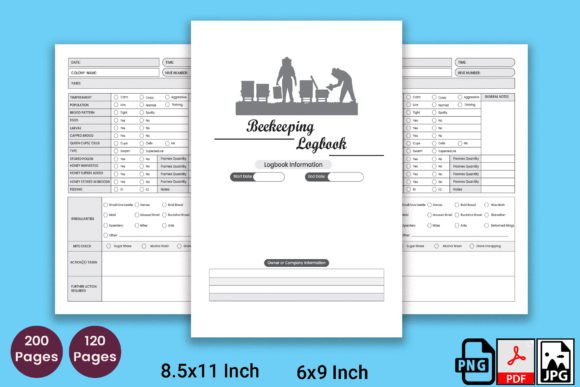
Beekeeper Logbook Journal KDP Interior
If you're building a low-content publishing business on Amazon KDP—or just starting out—finding a reliable, ready-to-use interior template saves hours of design work and avoids common upload pitfalls. The Beekeeper Logbook Journal KDP Interior is built for exactly that: fast, confident, and professional publishing without needing design expertise.
What It Is (and Why It Works)
This isn’t just another blank journal layout. It’s a fully tested, vector-based interior file designed specifically for beekeepers—but also adaptable for gardeners, naturalists, educators, or anyone tracking seasonal observations. What makes it stand out is how thoughtfully it bridges creativity and practicality: every page is editable in Adobe Illustrator, scalable to multiple standard book sizes (6×9″ and 8.5×11″), and pre-validated for KDP’s requirements—no bleed, no margin errors, no rejected uploads.
The “100 tested” claim means real-world use: it’s been uploaded, reviewed, approved, and published successfully on Amazon KDP—not just once, but repeatedly. That kind of reliability matters when your time and launch momentum depend on getting it right the first time.
Designed for Real Use—Not Just Looks
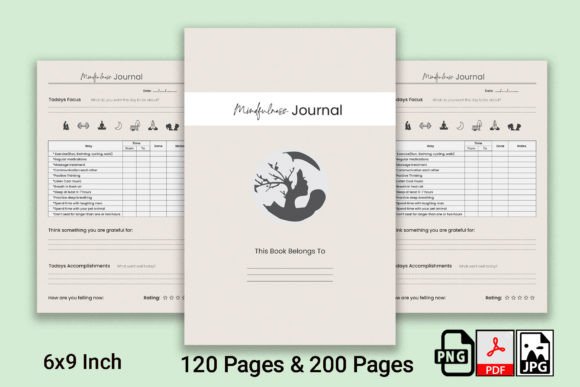
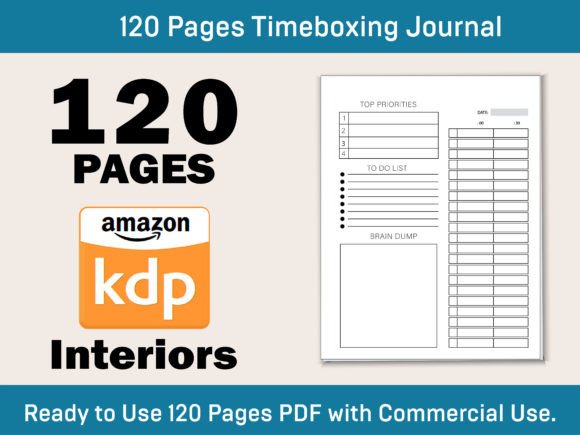
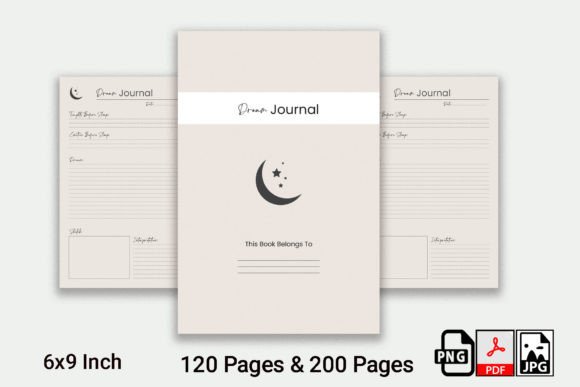
Inside the package, you’ll find 120–200 pages across three distinct layouts: lined pages for daily notes, grid pages for sketching hive diagrams or mapping apiary locations, and blank pages for freehand observation drawings or quick field annotations. Each is clean, uncluttered, and purpose-built—not decorative filler.
Because it’s vector-based, resizing doesn’t degrade quality. Want to adapt it from a compact 6×9″ field notebook to an 8.5×11″ classroom teaching journal? You can—without pixelation or layout shifts. And since it includes high-resolution JPG and PNG exports (300 DPI), you’re covered whether you’re previewing online, sharing digital samples with clients, or preparing print proofs.
Who Benefits—and How
Beginners launching their first KDP title appreciate how little setup is needed. No wrestling with margins, gutters, or font licensing. Just open the PDF in Illustrator (or even Acrobat for basic edits), adjust text if desired, export as print-ready PDF, and upload.
Educators and extension agents use it to create custom learning tools—adding local pollinator facts, QR codes linking to beekeeping videos, or space for student reflection. Because the files are editable, personalization stays simple and scalable.
Small apiary owners and hobbyist beekeepers often need more than generic journals—they want structure that matches their workflow: hive inspection dates, swarm alerts, honey yield logs, queen marking notes. While this interior doesn’t include pre-filled content, its flexible layout gives them room to build those systems themselves—or pair it with a companion cover they design.
Freelance designers and KDP entrepreneurs value the time savings. Instead of designing from scratch for each new niche journal, they layer in branding, swap fonts, adjust spacing, and repurpose the same trusted base across multiple titles—beekeeping, composting, mushroom foraging, or backyard chicken keeping—all using the same reliable interior foundation.
Practical Things to Keep in Mind
While the Beekeeper Logbook Journal KDP Interior removes many technical barriers, a few thoughtful choices still make a difference:
- Match your audience’s expectations. Beekeepers tend to prefer functional over flashy—so avoid overly ornate fonts or distracting borders unless your niche leans toward artistic journaling.
- Double-check KDP’s latest specs. Though this file is verified, Amazon occasionally updates margin or file guidelines. A quick review before uploading takes under two minutes and prevents delays.
- Consider pairing with a strong, keyword-optimized cover. Even the best interior won’t convert well without a clear, relevant cover that signals purpose at a glance—“Beekeeping Logbook,” “Hive Inspection Journal,” or “Backyard Beekeeper Tracker.”
- Test print a physical copy. KDP’s previewer is helpful, but nothing replaces holding the actual printed version. Check line spacing, page count flow, and how ink sits on the paper—especially if planning color accents or subtle watermarks.
More Than Just Pages—It’s a Launchpad
This interior reflects experience—not just in design, but in understanding how creators actually work. The team behind it has spent five years developing print-and-digital products for global clients, so usability isn’t an afterthought. Every detail—from the absence of bleed to the inclusion of both JPG and PNG assets—serves a real need: reducing friction between idea and published book.
You don’t need to be a beekeeper to see the value here. At its core, the Beekeeper Logbook Journal KDP Interior represents a smarter way to publish: one grounded in testing, built for flexibility, and made to help you move forward—not get stuck troubleshooting formatting.
Whether you're documenting your first hive inspection, creating a resource for a local beekeeping club, or scaling a portfolio of nature-themed journals, this interior gives you a clean, professional, and proven starting point—so you can focus on what matters most: sharing knowledge, building your brand, and growing your KDP business with confidence.